- +971 (50)-816-9624
- info@poweroceanic.com
- Dubai, UAE

Marine Equipment Repair & Maintenance
Ensuring safe and efficient operations is a top priority in the marine equipment industry, and proper maintenance and repair of equipment play a crucial role in achieving this goal.
Our expertise
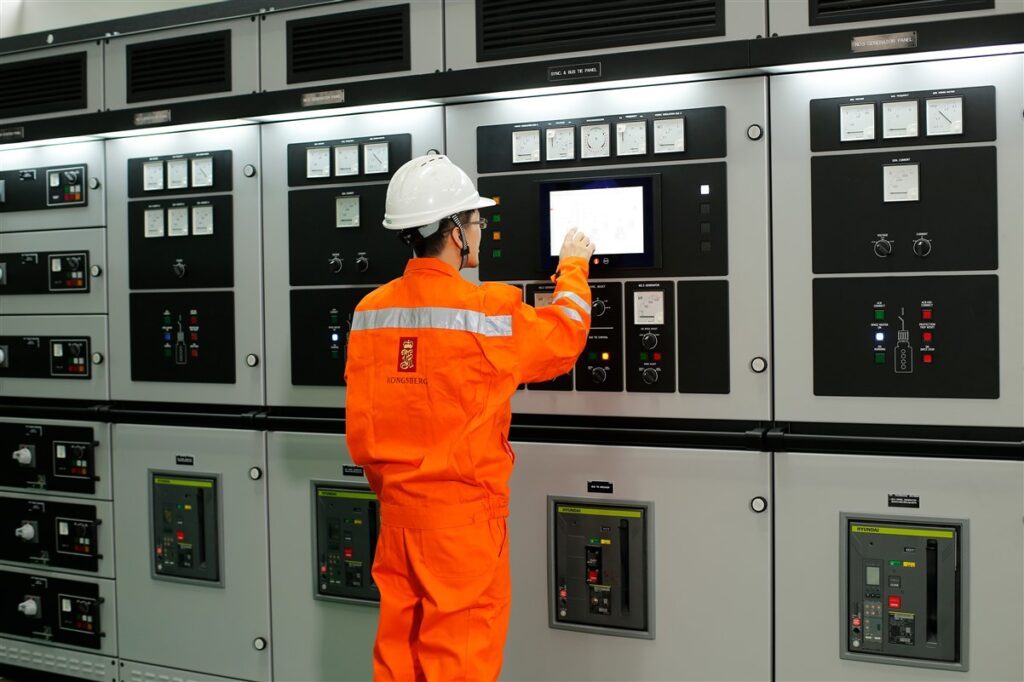
propulsion systems, steering systems, engines, air-conditioners, generators, ventilation blowers, boilers, spindles, communication and measuring devices as well as electrical panel testing and cable laying
Regular maintenance of equipment helps to prevent breakdowns and ensures that all components are functioning as intended. This includes tasks such as checking fluid levels, replacing filters, inspecting and cleaning parts, and testing performance.
In addition to routine maintenance, prompt repair of any issues is also crucial for safe and efficient operations. Defective equipment or components can cause accidents, increase fuel consumption, and decrease efficiency. Repairing equipment promptly can help avoid these issues and keep the vessel operating safely and efficiently.
Furthermore, regular inspections and testing can help identify potential issues before they become major problems. This allows for proactive maintenance and repair, which can help avoid costly downtime and ensure that equipment is operating optimally.
The first step in repairing a steering system is to visually inspect the components for signs of wear or damage. Common components to check include the steering wheel, steering column, power steering pump, hoses, and tie rods. If any of these components are found to be worn or damaged, they should be replaced immediately to prevent further damage to the steering system.
Wheel alignment is critical to maintaining the proper operation of a steering system. Misaligned wheels can cause excessive tire wear, poor handling, and other problems. Regular wheel alignment checks and adjustments are necessary to ensure the steering system is working correctly.
Power steering systems rely on fluid to provide hydraulic pressure to the steering mechanism. Over time, this fluid can become contaminated with debris and lose its effectiveness. Regular fluid replacements are necessary to keep the power steering system working correctly. In addition, if the fluid level is low, this can cause damage to the power steering pump and other components.
Regular maintenance is essential for keeping a steering system working correctly. This includes checking the fluid level, inspecting the belts and hoses for signs of wear, and checking the steering wheel for proper alignment. By performing these regular checks, you can prevent more severe problems from developing and ensure that your steering system continues to work correctly for years to come.
The repair and maintenance of propulsion systems in marine equipment is crucial to the proper functioning of boats and ships. Propulsion systems are responsible for generating the power needed to move the vessel through the water, and they can be quite complex, requiring specialized knowledge and expertise to diagnose and repair.
Regular maintenance of propulsion systems is essential to prevent breakdowns and ensure that they are functioning efficiently. This maintenance can include tasks such as checking fluid levels, changing oil and filters, inspecting and cleaning the propellers, and testing the performance of the system.
When a propulsion system requires repair, it is critical to address the issue promptly to avoid costly damage or downtime. Some common propulsion system problems include issues with the engine, transmission, propeller shaft, or bearings. A skilled technician will be able to diagnose the problem and recommend the appropriate repair.
Repairing propulsion systems can involve tasks such as replacing damaged components, rebuilding or overhauling the engine or transmission, or aligning the shaft and propeller. These tasks require specialized tools and expertise and are best left to experienced professionals.
In conclusion, the repair and maintenance of propulsion systems in marine equipment are essential for the safe and efficient operation of boats and ships. Regular maintenance and prompt repair of any issues can help avoid costly damage and ensure that the vessel is operating at peak performance.
Regular engine maintenance is critical to the performance and longevity of an engine. Some maintenance tasks include changing the oil and oil filter, replacing air filters, checking and replacing spark plugs, and inspecting the engine for signs of wear or damage. If a problem is detected, such as a malfunctioning sensor or a worn-out component, it should be repaired or replaced immediately to prevent further damage to the engine.
Proper maintenance of an air-conditioning system is essential to keep it working efficiently. Some maintenance tasks include cleaning or replacing the air filter, checking and cleaning the condenser coils, and inspecting the system for refrigerant leaks. If the air conditioner is not working correctly, it may need repairs such as replacing the compressor, repairing or replacing the evaporator coil, or fixing a refrigerant leak.
A generator is an essential piece of equipment that must be well-maintained to ensure it functions correctly during power outages or emergencies. Regular maintenance tasks include checking the oil level, replacing the oil filter, cleaning or replacing the air filter, and inspecting the fuel lines and spark plugs. If the generator is not functioning correctly, it may need repairs such as fixing a faulty starter, replacing the carburettor, or repairing the fuel pump.
Ventilation blowers are critical components in HVAC systems, and regular maintenance is necessary to ensure they work correctly. Some maintenance tasks include cleaning or replacing the air filter, lubricating the blower motor bearings, and inspecting the blower for signs of wear or damage. If the blower is not functioning correctly, it may need repairs such as replacing a worn-out belt, fixing a malfunctioning motor, or repairing a damaged fan blade.
Spindles are used in marine equipment such as propeller shafts and turbines to transmit power from the engine to the propeller or other equipment. Spindles can be subject to wear and tear due to the high stresses and speeds involved, and require regular inspection and maintenance to ensure their proper operation. This can include monitoring of vibrations and temperature, lubrication of bearings and other components, and replacement of worn or damaged parts.
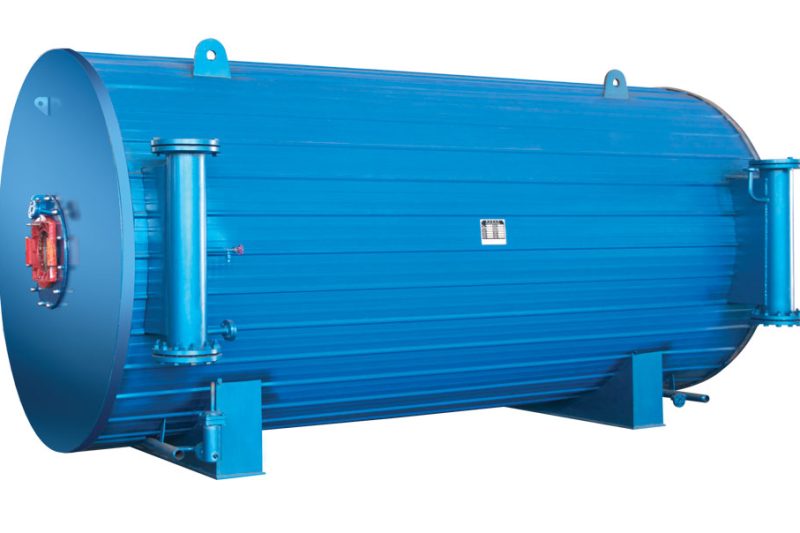
Boilers are used on ships to generate steam for various purposes, such as powering turbines, heating water, and providing heat for living spaces. Regular maintenance of boilers is critical to ensure their safe and efficient operation, as they can be prone to corrosion, scale buildup, and other forms of wear and tear. This can include regular inspections, cleaning of tubes and surfaces, and replacement of damaged or worn components.
Our Missions
Say Hello
safe and efficient operations in the marine equipment industry require a combination of regular maintenance, prompt repair, and proactive testing and inspection. By prioritizing these tasks, equipment owners and operators can ensure the safety of personnel and vessels while also achieving maximum efficiency and productivity.
Regular maintenance and repairs can help to prevent breakdowns and minimize downtime, which is essential for commercial vessels that rely on their equipment to generate revenue.
Don’t miss our future updates! Get Subscribed Today!